
Guest Blog written by Sevanna Adams, founder of Goodtable Consulting

The Protest
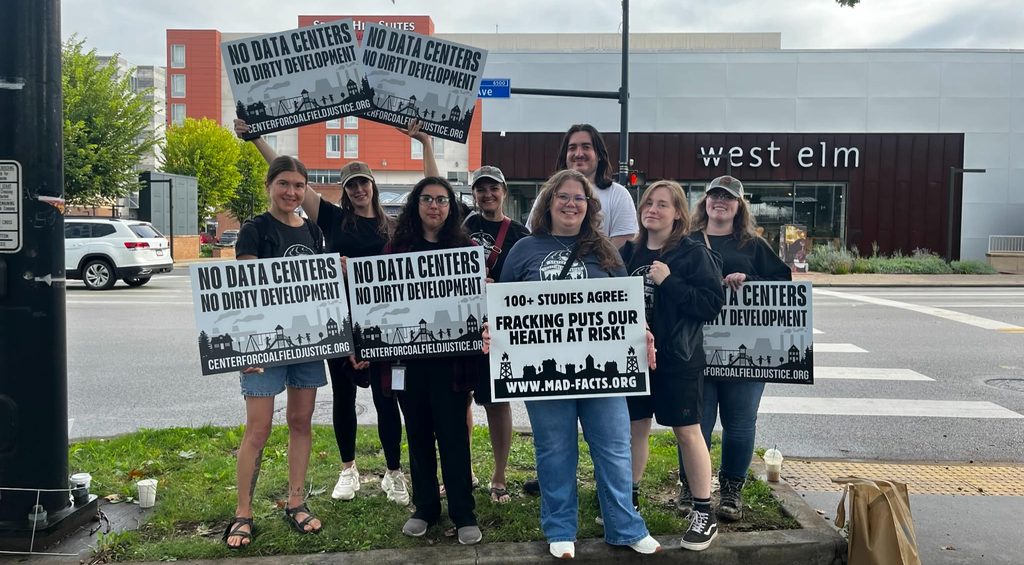
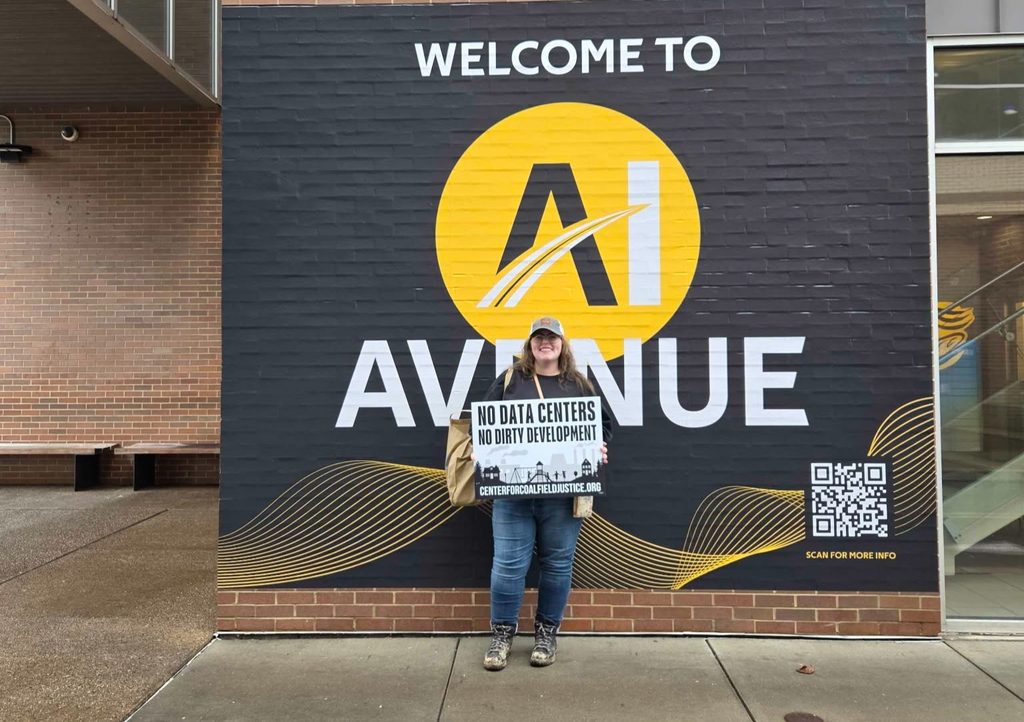
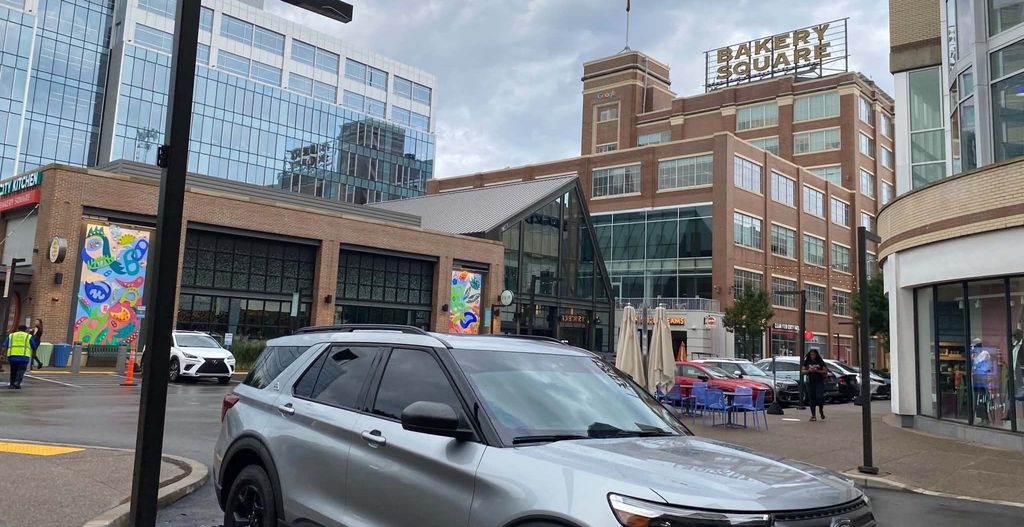
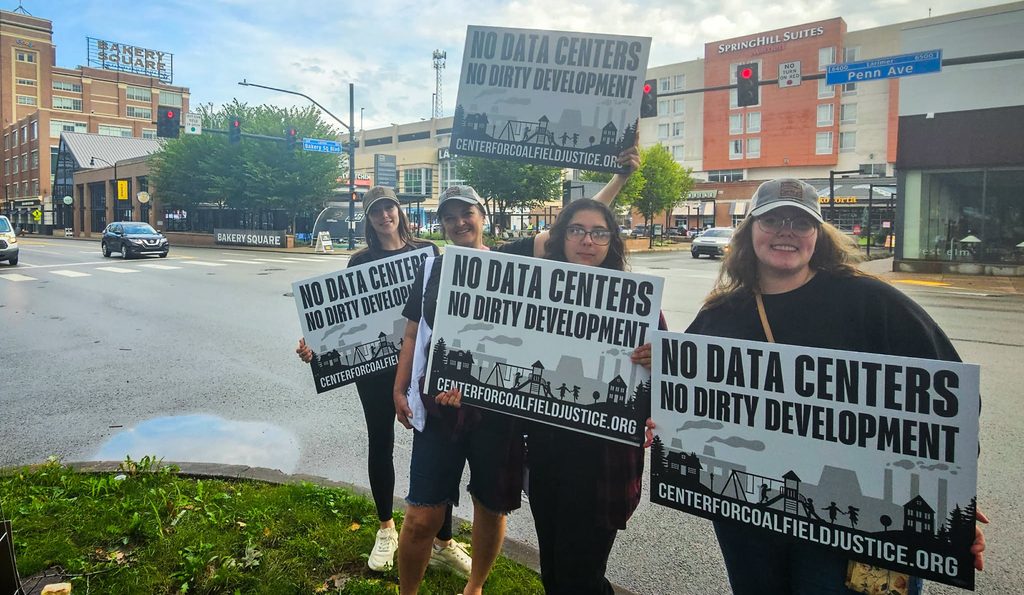
Today I attended the AI Horizons Pittsburgh Summit in Bakery Square, hosted by the @AI Strike Team, sponsored by the likes of Microsoft, Anthropic, Google, and Waymo, but unlike most posts you’ll see of the event, I want to show you what was outside.
The Breathe Project hosted the ‘Rally for a Smarter AI Future’, calling for a moratorium on data center development and a transparent siting process, giving residents the time to get their bearings so they can understand and prevent the impacts.
Sarah Sweeney saw that I was interested and invited me to carpool with the Center for Coalfield Justice. Let me tell you, driving in from Claysville to Bakery Square in Pittsburgh by 8am is a whole operation. Rush hour may have slowed us down but we made it!
As the money, industry, and government gathered, we protested to make sure they remembered the people, the ones who could not pay $643 for a ticket or take off work on a random Thursday to understand the big money plans for our region. We will inevitably be impacted by the decisions and connections made here and it’s important that these perspectives of AI development are considered as well.
My Connection
I’m a resident of this Appalachian region who was raised in Kentucky, passed through Ohio, and settled in Southwestern Pennsylvania at 15. My people were pioneers, iron workers from Ohio’s Hanging Rock Iron Region, and Pittsburgh steel mill workers from Ireland and Poland. I grew up on a farm, and I still live in an old house in a small Washington County town where deer cut paths through my backyard. I have my rural credentials.
I’ve also worked in and around oil and gas — one of the only ways to make good money around here. At 20, I directed traffic through Greene County’s lease roads on night shift, 6pm to 6am, trying my best to keep water and sand trucks from tearing through the hills and disturbing resident commutes. I’ve seen spills and accidents happen, and neighbors struggle to hold companies accountable. I can only imagine what the coming energy demand will do to those same roads.
Working in the industry meant riding its own mini booms and busts — I got laid off enough times that my car was eventually repossessed. I found remote work instead, and spent six years learning to build and organize data for enterprise clients.
But even the tech industry started laying people off, while executives leaned on AI to solve complex organizational problems. Building efficiencies felt like signing off on the next round of cuts. So I left — this time on my own terms — and started Goodtable Consulting in July. The idea is simple: help good people, do good things, more efficiently, and bring mission-driven organizations technology that sharpens their efforts.
Center for Coalfield Justice became one of my first clients after I attended their seed swap and mentioned my work; we’ve spent the past few months building a system that helps keep everyone aligned with the mission. It’s been highly gratifying work that I know is genuinely benefiting my community.
So when I saw the intersection of the AI Horizons Pittsburgh Summit and the Rally for a Smarter AI Future, I felt I was uniquely qualified to be there.
I use AI every day, don’t get me wrong. Claude is a very helpful tool to aid research, debate database design strategy, summarize large data sets, and help write the code needed to integrate tools or provide more complex visualizations.
I believe multiple things can be true at once. Using AI tools doesn’t mean I align with the way this infrastructure is being built out — there’s a real middle ground between embracing the tool and rejecting accountability. I welcome progress, but not at the expense of the communities that sustain it.
What Came Before
My personal history sits inside a much larger one and to truly understand our perspective, you have to consider that the American Appalachian region was surveyed and founded by extractive industries – iron, coal, steel, oil & gas, etc. Most of our families are immigrants that came to America for work. They lived in company towns and coal patches. These places were abandoned once the money dried up, until the next resource boom came. This cycle rinsed and repeated throughout history. After a few generations of this rise and fall, the people who once held loyalty to a particular company or industry, became deeply intertwined with the land itself.
We stayed. Well after our mountains were scalped, our trees leveled, and our environment poisoned. We started fighting for ownership and proper stewardship of our land and community. We provide oversight to those that are still here, and now gatekeep who we allow in next.
“We’ve had polluted streams, we’ve had waste coal piles a hundred feet tall. There’s public health risks around coal mining—that’s our history,” said Nate Eachus, a former professional football player for the NFL’s Kansas City Chiefs, who lives near Kline Township.
It’s within that context, that we are now seeing another industry come to the area en masse, and you get the sense that even though they’re asking for permission, there is little anyone could do to stop them.
Rural people are often dismissed when they have concerns, but it’s not that we do not understand how helpful AI can be. It’s not that we are just backwards people who reject the future. It’s that we’ve made these sacrifices before – profit over people and the environment. We’ve lived through the results and we refuse to do it again.
Laborers Left Behind
Unlike the other historical industries in the region, your average laborer, especially those unskilled, does not really benefit from data centers being built and powered.
‘IEP estimates the project will create 1,000 to 1,500 jobs during construction. Once everything is up and running, there would be about 50 fulltime jobs with the power plant, and 12 to 20 full-time workers at the power plant.’
Yes – there will be a slight surge in construction jobs for a short period, but a lot of these roles would need specialized knowledge that locals just don’t have. These are not routine construction jobs. Remediating these brownfields and building data centers is complicated work, and the reception I’ve seen is foremen asking ‘Who knows how to do any of this stuff?’. You’re asking these old dogs to learn new tricks, and historically – they don’t want to.
‘IEP said it planned to work with the Greene County Career & Technology Center for training for both construction and permanent jobs.’
No one is going to labor away at a data center their whole life for an honest day’s wage. Where a blue collar worker’s personal prosperity would usually allow them to look past the issues, they’re not really seeing the benefits here. This allows room for discussion, an opportunity that we have not had with previous industries.
The Power Imbalance
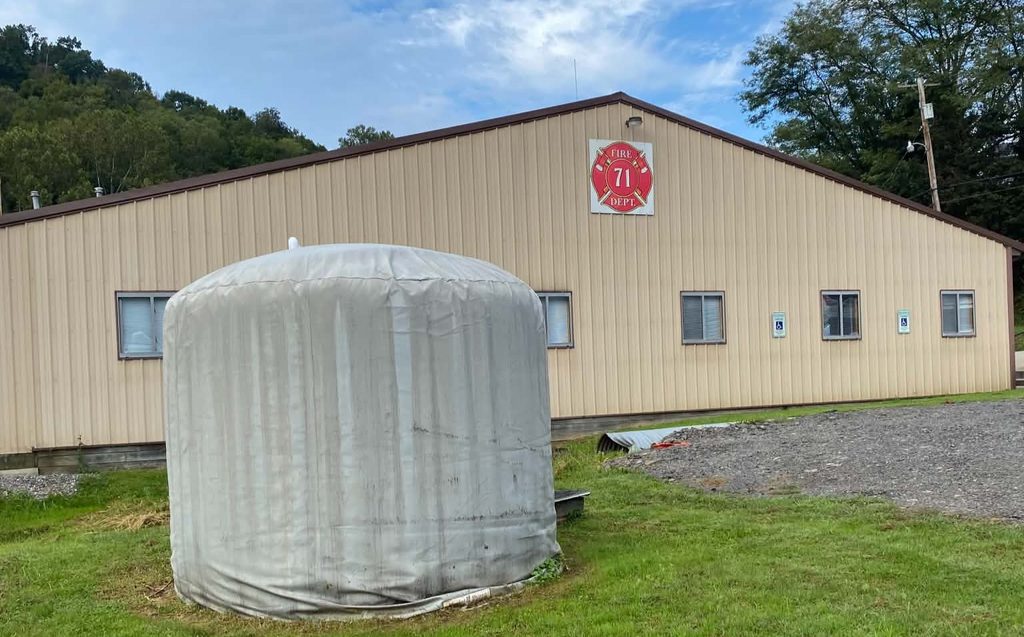
Data center development is bringing massive investment to place new energy generation plants and data centers on brownfields, sites that were previously abandoned by other industries, many of which have a long history of their own. The local municipalities, currently faced with budget shortages, have almost no bargaining power. Of course they’re going to let them in. We need the money. We’re broke. We know this.
“We tried every other opportunity we could, slashing all those expenses. We just couldn’t get there. So we made the hard decision to increase taxes” – Mike Belding, Greene County Commissioner
Your average municipality is not the enemy here, but as residents, we’ve seen how our government has been steamrolled by corporations in the past. Just because we need jobs and money to circulate our local economies, does not mean that we should accept conditions that cause us harm.
“This is the best thing since the coal mines were here.” — Blair Zimmerman, Greene County Commissioner
As we see our government representatives engage with this summit, Josh Shapiro, David McCormick, Mayor Corey O’Connor, and Sara Innamorato, and likely more, we watch with clenched teeth to see if they share the same convictions. At what point does the level of investment in the state, county, city overall, override the interests of any particular small town or neighborhood. Will they be sold on the ideal and forget how those promises have been broken in the past?
A Path Forward
The industry will almost inevitably build data centers in our communities, increase energy generation, and use our waters but before they cause the next generation of environmental incidents, property damage, and health issues, we need to make sure that we have all considered and prevented these impacts to their fullest extent.
“They gave us all their information, but they’re going to tell us anything we want to hear,” she said. “…It’s going to come whether we want it to or not.” – Diane Price, Greene County Resident
We cannot get lost in the hype of investment and the transfer of billions. We must look at the past and learn from it before we act. Slowing these accelerated timelines through moratoriums and regulation is the only way the people get a chance to protect themselves against what’s coming.
“I mean the size of this thing, it’s crazy. We are hearing estimates for power demand for AI that’s anywhere [from] 50 to 75 gigawatts of power, which is the equivalent of the power needed to power 10 to 15 New York Cities.” – Toby Z. Rice, EQT Corp.
Reach out to your representatives and ask them what they are doing to ensure this work is being done safely, and then consult an organization like Center for Coalfield Justice or the Breathe Project to understand if that’s actually what’s happening. Government officials and companies are more prone to giving you ‘customer service’ style answers to tide you over. Whereas local grassroots organizations have been researching the impacts and issues for years and would love to share that knowledge with you.
Sources
- I have seen the future of AI. It’s in Western Pennsylvania. — Salena Zito, Washington Post, May 19, 2025
- New Freeport residents in court demanding clean water from EQT — Quinn Glabicki, Pittsburgh Public Source, September 10, 2024
- A Pennsylvania county went from bust to boom times with natural gas. Now, it’s nearly broke. — Jamie Martines, Spotlight PA, March 8, 2021
- Echoes of the Past in Pennsylvania Coal Towns’ Fight Against Data Centers — Nina Sablan, Inside Climate News, July 2, 2026
- Amid explosive demand for AI computing, building data centers is growing increasingly complex — Conrad Quilty-Harper, ThinQ by EQT, August 22, 2025
- Essential Utilities to Invest $26 Million in Major Data Center in Western Pennsylvania — Business Wire, August 27, 2025
- AI Horizons Pittsburgh — accessed September 17, 2026
- AI Horizons Pittsburgh Summit Registration Form — accessed September 17, 2026
- Rally at AI Horizons Summit for a Smarter AI Future in Pittsburgh — accessed September 17, 2026
- Hummingbird — International Electric Power, accessed September 17, 2026 (source for the Laborers Left Behind job estimates and workforce training plans)
- Center for Coalfield Justice — accessed September 17, 2026
- Breathe Project — accessed September 17, 2026
- Protect Burgettstown — accessed September 17, 2026